Using Car Mirrors Effectively in Crowded Conditions
Ever feel like your heart rate spikes the second you enter the city limits? Between darting cyclists, jaywalking pedestrians, and cars vying for every inch of space, urban driving can feel like a high-stakes game. And let's not even get started on the parking situation.
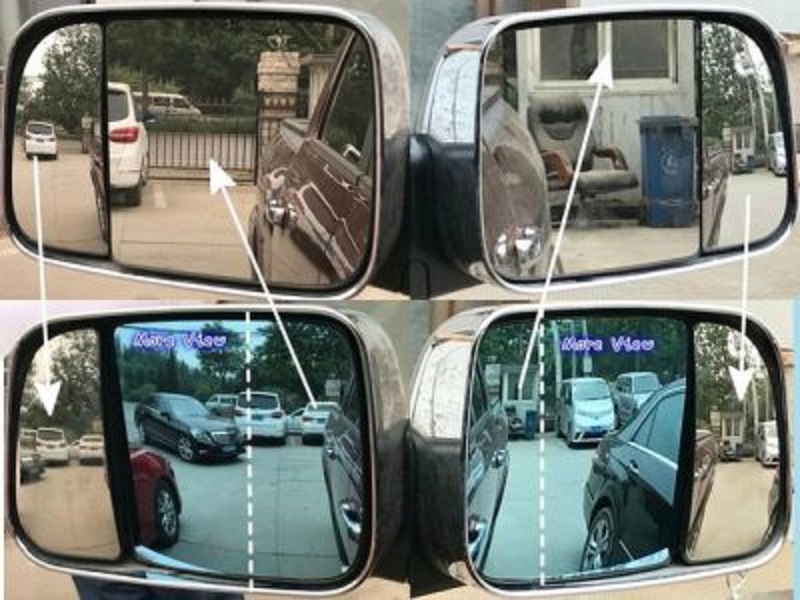
This guide will equip you with essential techniques to master urban driving and parking, transforming you from a stressed-out driver into a confident city navigator. We’ll cover everything from effectively using your mirrors to understanding local parking regulations, ensuring you arrive safely and avoid those dreaded parking tickets. A simple adjustment to your mirror settings can dramatically improve your awareness and reaction time, turning a blind spot into a safety net.
Mastering Mirror Use in Tight Spots
In the dense, often chaotic environment of city streets, your mirrors are your best friends. They provide crucial information about your surroundings, allowing you to anticipate potential hazards and maneuver safely through traffic. However, many drivers don't utilize their mirrors to their full potential, leading to near misses and avoidable accidents.
Setting Your Mirrors for Optimal Visibility
The first step to mastering mirror use is ensuring they are properly adjusted. Forget the traditional method of seeing a sliver of your car's side. Instead, adjust your side mirrors outwards until you canjustbarely see the edge of your car in the innermost part of the mirror. This eliminates blind spots and provides a wider field of view of adjacent lanes. Your rearview mirror should, of course, offer a clear, unobstructed view of the road behind you. Before starting your engine, make this a habit every time.
Active Mirror Scanning: The Key to Defensive Driving in Urban Areas
Properly adjusted mirrors are useless if you don't actively use them. Develop a habit of scanning your mirrors every few seconds, especially when changing lanes, approaching intersections, or maneuvering in tight spaces. This active scanning keeps you aware of other vehicles, pedestrians, and cyclists around you. Don't just glance; take a brief, focused look to assess the situation. Remember to check your mirrors before and after braking, signaling, and turning.
How can I avoid accidents when merging into fast-moving city traffic?
Merging into fast-moving traffic requires careful judgment and precise execution. Before signaling, thoroughly assess the speed and distance of approaching vehicles in your side and rearview mirrors. Match your speed to the flow of traffic as much as possible while still in your current lane. Once you’ve identified a gap and signaled your intentions, smoothly merge into the adjacent lane, constantly monitoring your mirrors to ensure a safe transition. Never force your way in; be prepared to yield if necessary.
Conquering City Parking Challenges
Parking in the city can feel like an Olympic sport. Finding a spot is only half the battle; maneuvering into it without damaging your car or others requires skill and patience.
Perfecting the Art of Parallel Parking
Parallel parking is a necessary skill for any urban driver. Start by signaling your intention to park and pulling up alongside the car in front of the desired space, aligning your rear bumpers. Shift into reverse and begin backing up, turning the steering wheel sharply towards the curb. As your vehicle enters the space, straighten the wheel and continue backing in until you are a safe distance from the cars in front and behind. Use your mirrors extensively to monitor your progress and avoid contact. Don’t be afraid to pull forward and adjust if needed. Practice makes perfect!
Navigating Tight Parking Garages and Lots
Parking garages and lots often present unique challenges due to their narrow lanes and tight spaces. Approach these areas with caution, driving slowly and scanning your surroundings. Use your mirrors to guide you, paying close attention to potential obstacles such as pillars, walls, and other vehicles. When turning, use a wide berth to avoid scraping your car. If a space seems too small, don't force it. It's better to find another spot than risk damaging your vehicle.
How can I avoid tickets in urban parking zones?
Understanding and adhering to city parking laws is crucial for avoiding costly parking tickets. Pay close attention to parking signs, noting any restrictions on time, days, or permit requirements. Be aware of fire hydrants, crosswalks, and other prohibited parking zones. Use parking apps or websites to find available parking spots and pay for parking remotely. Double-check your surroundings before leaving your vehicle to ensure you are parked legally. If you are unsure about the parking regulations, err on the side of caution and find another spot. A few extra minutes of searching can save you a hefty fine.
Defensive Driving Strategies for Urban Road Safety
Urban environments present a complex mix of traffic, pedestrians, cyclists, and other hazards. Defensive driving techniques are essential for staying safe and avoiding accidents.
Anticipating the Actions of Others
One of the key principles of defensive driving is to anticipate the actions of other road users. Be aware of pedestrians who may dart into the street, cyclists who may swerve unexpectedly, and other drivers who may make sudden lane changes or stops. By anticipating these potential hazards, you can react quickly and avoid collisions. Pay particular attention to intersections, crosswalks, and areas with high pedestrian or cyclist activity.
Maintaining a Safe Following Distance
Maintaining a safe following distance is crucial for reacting to sudden stops or changes in traffic flow. In urban environments, where traffic can be unpredictable, it is even more important to leave ample space between your vehicle and the one in front of you. The "three-second rule" is a good guideline: choose a stationary object ahead, and count three seconds from when the vehicle in front of you passes it. If you pass the same object before you finish counting, you are following too closely. Adjust your following distance based on road conditions, traffic density, and visibility.
What’s the best way to drive in rush hour?
Rush hour can be a particularly stressful time to drive in the city. The key is to remain calm and patient. Plan your route in advance, and be prepared for delays. Avoid aggressive driving behaviors such as tailgating, speeding, and weaving through traffic. Maintain a safe following distance, and be extra vigilant for sudden stops and lane changes. If possible, consider alternative transportation options such as public transit or cycling during peak hours.
By actively using your mirrors, mastering parking techniques, and practicing defensive driving, you can confidently navigate the challenges of urban driving. Remember, awareness and anticipation are your greatest assets.
Post a Comment for "Using Car Mirrors Effectively in Crowded Conditions"