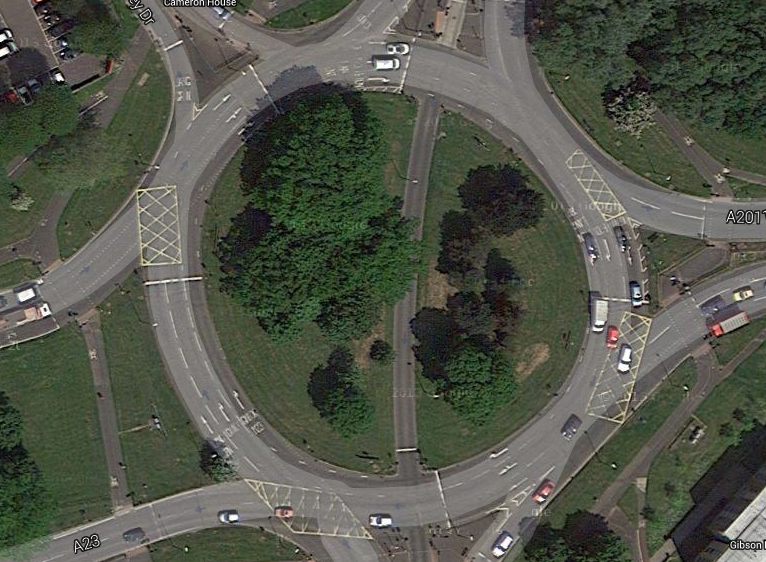
How to Handle Roundabouts Without Panic
Isn't it frustrating when you’re inching along in bumper-to-bumper traffic, desperately searching for a parking spot the size of a postage stamp, all while the clock is ticking and your stress levels are soaring? City driving can feel like a constant test of patience and skill, and the pressure to avoid accidents or expensive parking tickets only adds to the anxiety.
This guide will equip you with practical strategies to conquer the challenges of urban driving and parking. We'll cover essential techniques to navigate congested streets, master tricky parking maneuvers, and stay compliant with local regulations, ultimately transforming your experience from stressful to confident.
Before we dive in, here's a quick tip: Always scan several blocks ahead. Identifying potential traffic snarls or parking opportunities early can save you time and frustration.
Mastering the Urban Jungle: Key Driving Techniques
City streets demand a different approach than open highways. Stop-and-go traffic, unpredictable pedestrians, cyclists darting in and out of lanes – all require heightened awareness and quick reflexes. Mastering a few key techniques can make a world of difference.
How can I drive defensively in a city?
Defensive driving in urban areas is about anticipating the unexpected. Maintain a safe following distance (the "three-second rule" is a good guideline, but increase it in adverse weather or heavy traffic). Constantly scan your surroundings, checking your mirrors frequently and being aware of vehicles in your blind spots. Be prepared to react to sudden stops or lane changes. And remember, just because you have the right-of-way doesn't mean everyone will yield it. Assume other drivers might make mistakes and be ready to adjust accordingly.
Another key to defensive driving is minimizing distractions. Put your phone away, set your GPS before you start driving, and avoid activities that take your attention away from the road. Even seemingly minor distractions can have serious consequences in the fast-paced urban environment.
What’s the best way to drive in rush hour?
Rush hour can feel like a never-ending parking lot, but there are ways to navigate it more efficiently. First, accept that it will take longer than usual to reach your destination and plan accordingly. Avoid aggressive driving; cutting people off or weaving through traffic won't save you much time and increases your risk of an accident.
Utilize traffic apps like Google Maps or Waze to identify alternative routes or potential delays. Consider public transportation or carpooling if possible. If you must drive, try to time your trip to avoid the peak rush hour periods. Leaving even 30 minutes earlier or later can significantly reduce your commute time. Remember to breathe – maintaining a calm demeanor can help you avoid impulsive decisions that could lead to accidents or road rage incidents.
The Art of Parallel Parking: Conquering Tight Spots
Parallel parking is often cited as the most dreaded maneuver for city drivers. But with practice and the right technique, you can conquer even the tightest spots.
Here's a step-by-step approach to successful parallel parking:
1.Signal your intention: Let other drivers know you're planning to park.
2.Position your vehicle: Pull up alongside the car in front of the space, about one to two feet away, with your rear bumpers aligned.
3.Reverse: Shift into reverse and turn your steering wheel fully to the right. Begin backing slowly into the space.
4.Straighten: Once your vehicle is at a 45-degree angle, straighten the wheel and continue backing until your front bumper clears the rear bumper of the car ahead.
5.Adjust: Shift into drive and gently pull forward to center your vehicle within the space.
Practice makes perfect. Find an empty parking lot and practice these steps until you feel comfortable. Remember to check your mirrors and blind spots frequently throughout the maneuver.
How can I improve my parallel parking skills?
Beyond practice, visualization can be a powerful tool. Before you even approach a parking space, mentally walk yourself through the steps of the parallel parking maneuver. Imagine yourself executing each movement smoothly and accurately. This mental rehearsal can boost your confidence and improve your performance in real-world situations.
Another helpful tip is to use reference points. For example, aligning your side mirror with the taillight of the car next to you can help you determine when to begin turning the wheel. Develop your own set of reference points that work for you.
Navigating City Parking Laws and Avoiding Tickets
Understanding city parking laws is crucial to avoid costly tickets. Regulations vary from city to city, so it's essential to familiarize yourself with the specific rules in your area.
How can I avoid tickets in urban parking zones?
Pay close attention to parking signs. They contain vital information about parking restrictions, time limits, and permit requirements. Don't assume that just because a space is empty, it's legal to park there.
Be aware of street cleaning schedules. Many cities have specific days and times when parking is prohibited for street cleaning. Failing to move your vehicle can result in a hefty fine.
Utilize parking apps. Several apps can help you find available parking spots and provide real-time information about parking regulations. These apps can save you time and reduce the risk of getting a ticket.
Never block fire hydrants, crosswalks, or driveways. These are common parking violations that can result in immediate ticketing and towing.
Is city driving harder than highway driving?
City driving and highway driving present different challenges. Highway driving often involves maintaining a consistent speed over long distances, while city driving requires frequent stops and starts, navigating intersections, and dealing with pedestrians and cyclists. Many people find city driving more mentally taxing due to the constant need for vigilance and quick decision-making. However, with proper training and experience, you can become a confident and skilled urban driver.
Remember, it's okay to take your time and be extra cautious. Don't let other drivers pressure you into making unsafe maneuvers. Your safety and the safety of others should always be your top priority.
With knowledge and practice, you can confidently handle the urban driving and parking challenges.
Post a Comment for "How to Handle Roundabouts Without Panic"